


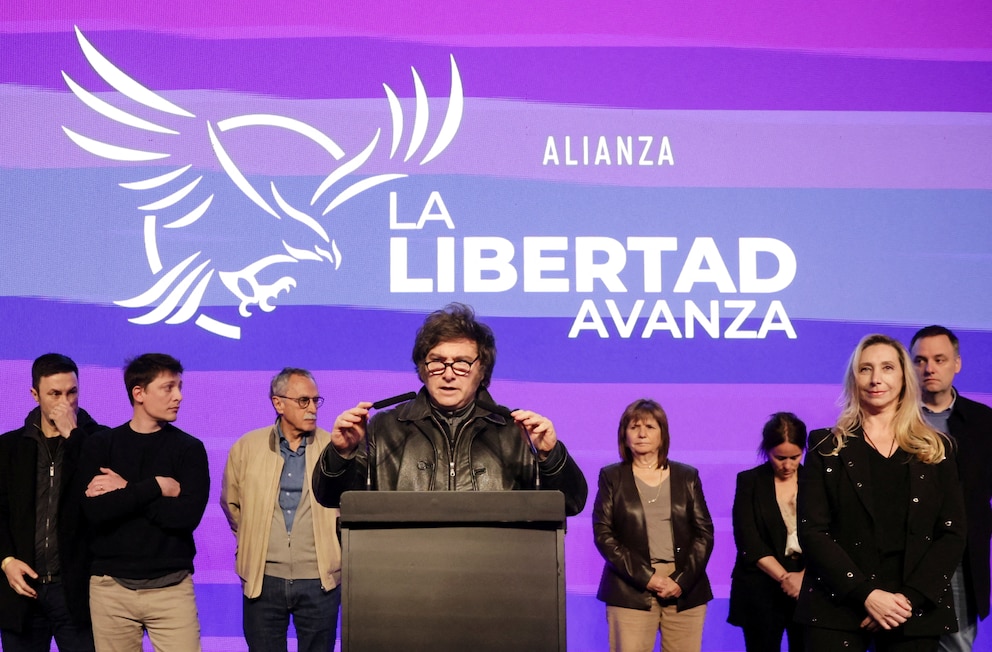
Chinese Headlines Argentina, October 22nd/CL: As the national elections are about to take place this Sunday, Argentine President Millais has begun planning a major cabinet reshuffle. It is reported that this restructuring is not only due to the resignation of some ministers who ran for office, but also aimed at expanding the political support base and paving the way for the government's "second stage reform".
Millet reiterated in a television interview, "I have signed a contract with the Argentine people, and I will fulfill my promise. After entering the second half of my term, I will readjust my cabinet to achieve the goal of second-generation reform. On the evening of the election on the 26th, I will decide on the government structure based on the results
At present, the Millet government is composed of the Chief of Staff of the Presidential Office, five Presidential Secretaries (three of whom hold ministerial level positions), and nine ministries. The fate of several high-ranking officials has become a foregone conclusion, and several key departments are currently undergoing power restructuring.

According to confirmed information, Manuel Adorni, the Secretary of Press and Media, will step down after winning the Buenos Aires city seat, and his deputy Javier Larnari will take over. Defense Minister Luis Petri and Security Minister Patricia Blich will also resign due to their respective elections as members of the Mendoza Provincial Congress and the Capital Senator. Blich suggested that the National Security Secretary Alejandra Monteoliva take over, while some officials from the Ministry of the Interior proposed appointing Diego Valenzuela, a political figure from Buenos Aires Province.
At the Ministry of Defense, the Millet team is considering being taken over by Chief of Staff Javier Isaac or Petri's Chief of Staff Luciana Carrasco, but the final candidate has not yet been determined. Given that the government is seeking to deepen military cooperation with the United States, Isaac is seen as a possible compromise solution.
Attorney General Mariano Cuneo Livorna is expected to resign, and his successor is still unknown. Presidential advisor Santiago Caputo is leading the judicial reform process and is expected to further ascend in the future power structure. Foreign Minister Gerardo Verstein has informed the President that if Caputo's power continues to expand, he will no longer remain in office.
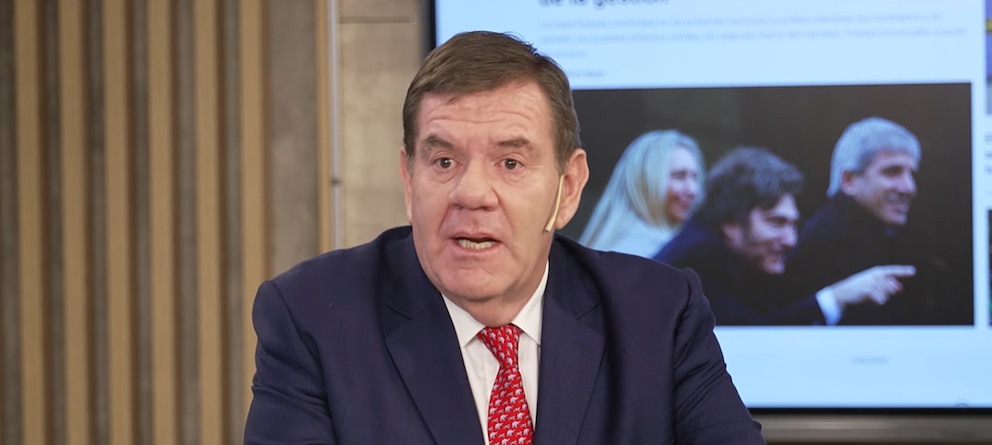
At the same time, the relationship between Chief Cabinet Minister Guillermo Frankos and Caputo is tense. Recently, Franco publicly stated that Caputo should have a formal position within the government to take on the responsibilities brought about by his political negotiations. Millet is considering giving Caputo a higher-level position and may even restructure the Ministry of the Interior to enhance communication with the provinces.
Analysis suggests that this restructuring is not only a personnel adjustment, but also reflects the Millet government's attempt to balance the contradictions between internal factions (especially the Karina Millet and Caputo camps), while consolidating its cooperative relationship with conservatives, especially former President McCreary.

 当前浏览器版本过低,建议升级到Internet Explorer
9及以上版本或者安装Chrome内核浏览器获得最佳浏览体验。
当前浏览器版本过低,建议升级到Internet Explorer
9及以上版本或者安装Chrome内核浏览器获得最佳浏览体验。